Innovation for Resilience: Technology to Prevent Fires and Disasters
April 1 ,2026


April 1 ,2026
In a context where forest fires and natural hazards are becoming increasingly frequent and intense in Chile—driven by climate change, urban sprawl, and pressure on ecosystems—technology is emerging as a key tool for anticipating risk scenarios and strengthening response capacity.
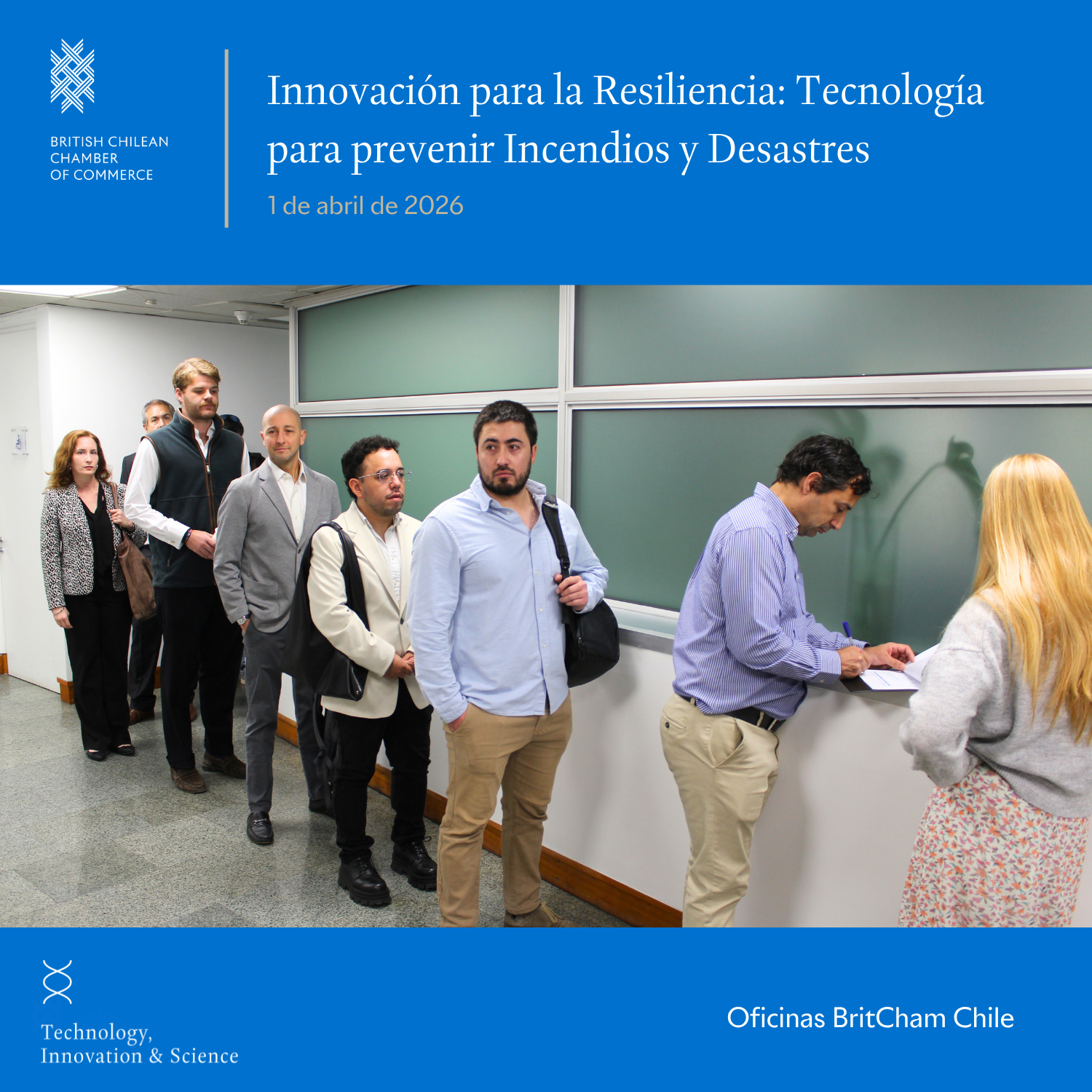
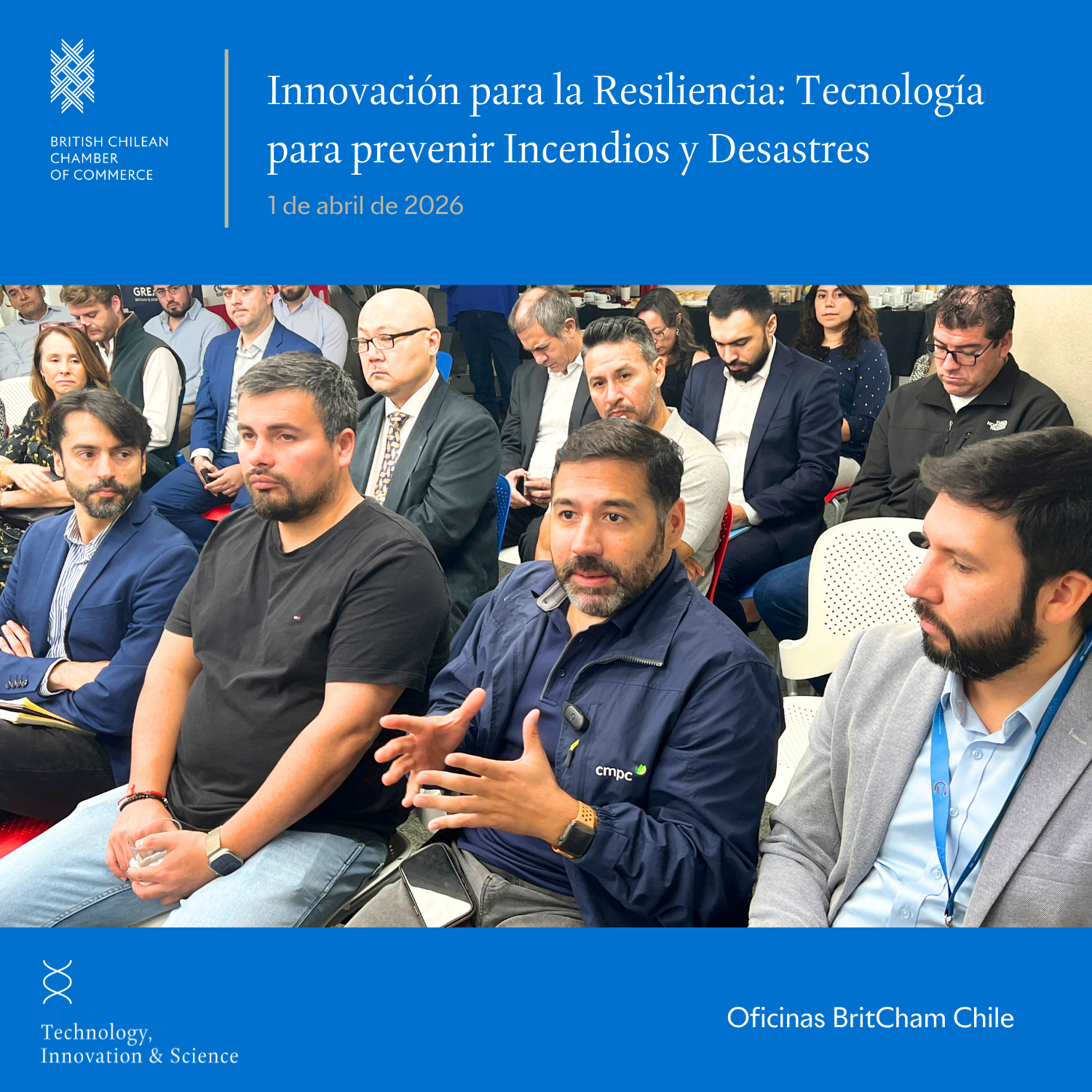
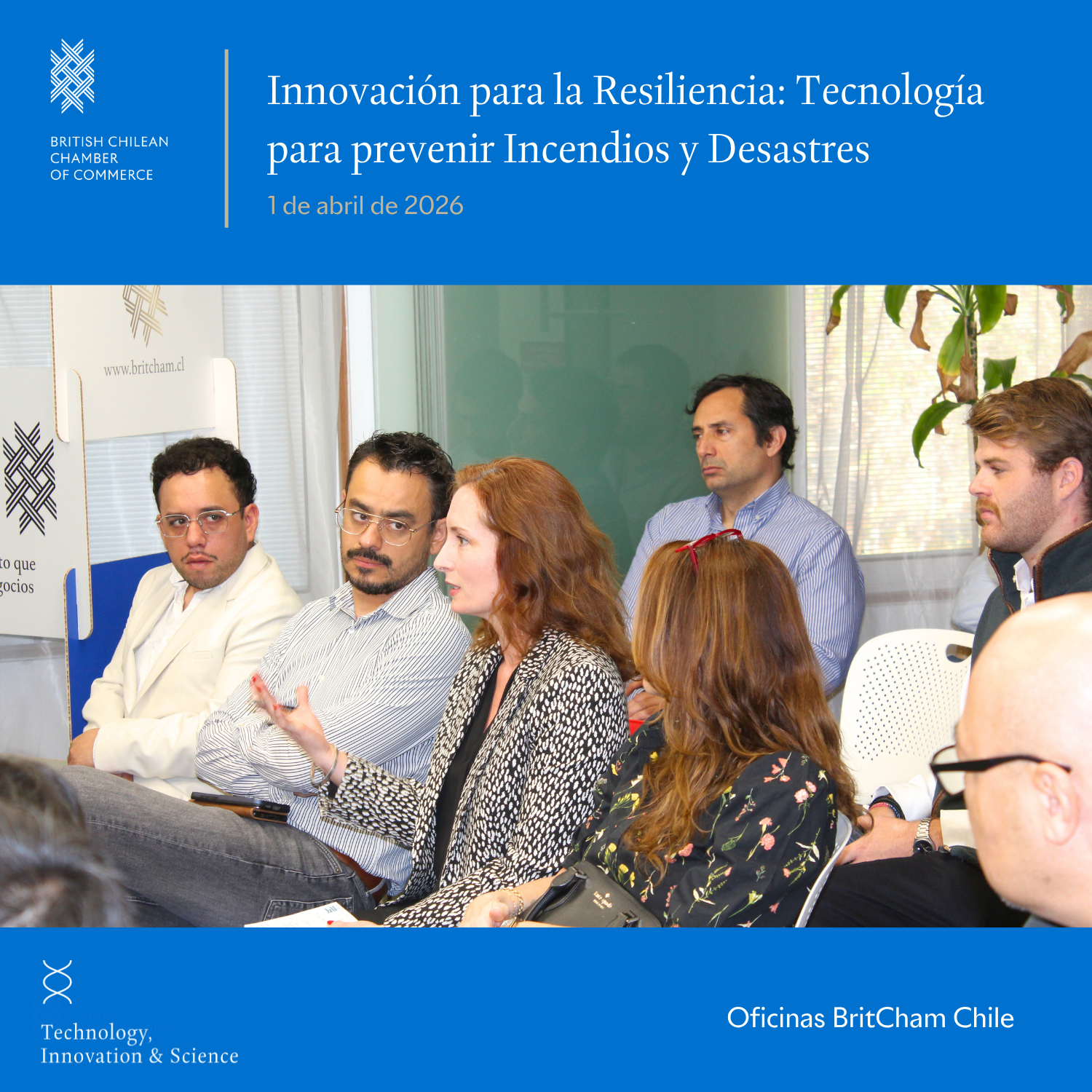
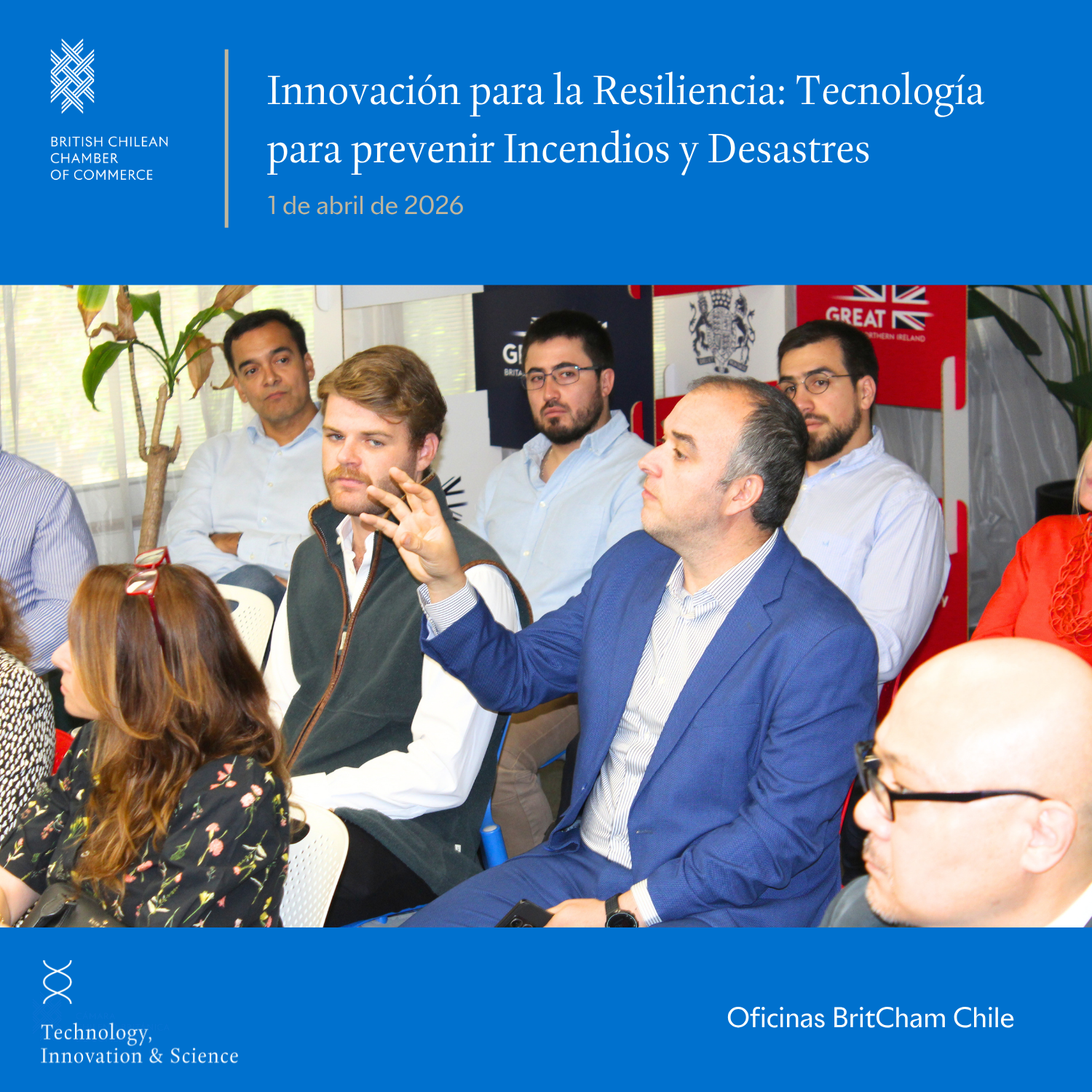
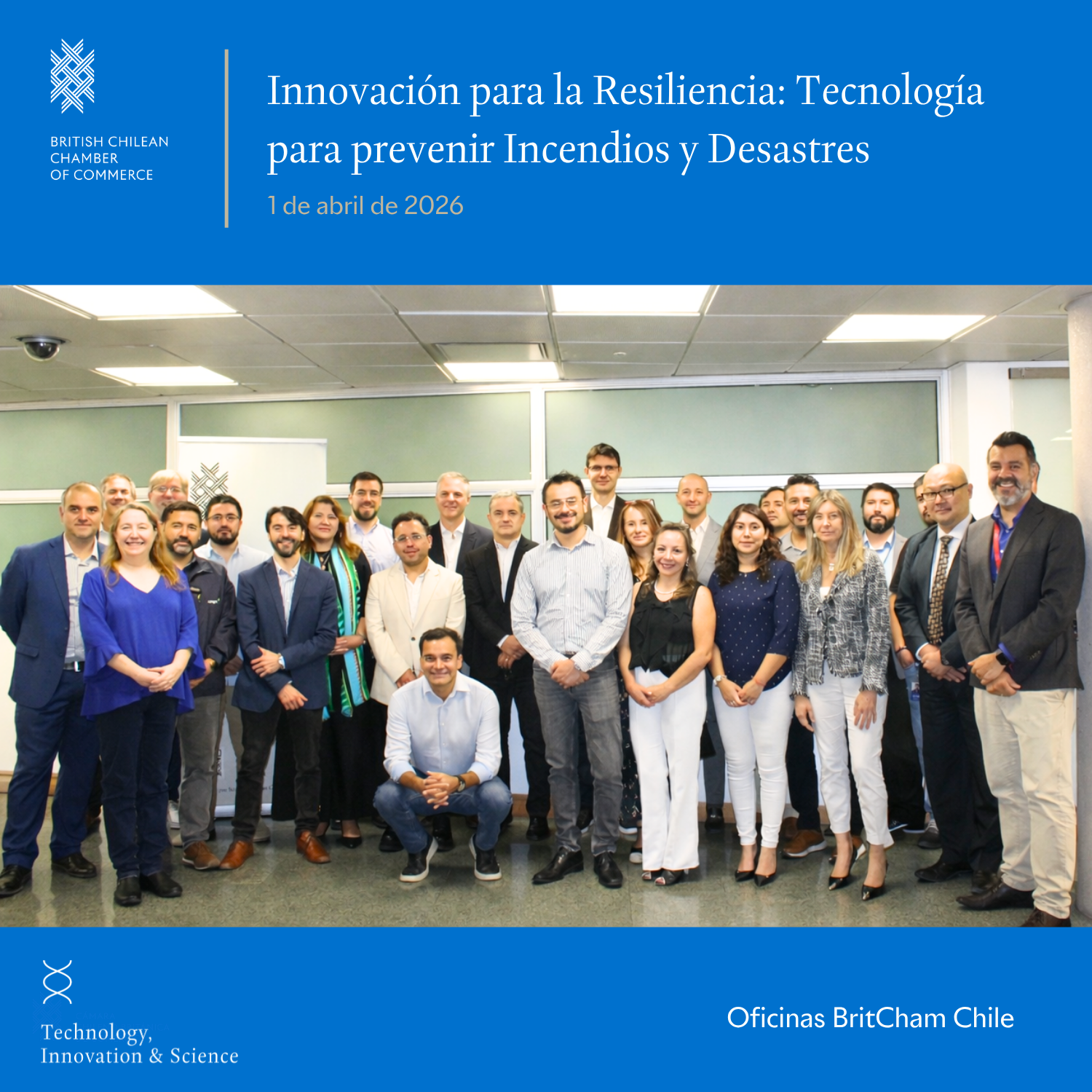
With this focus, the Technology, Innovation, and Science Committee of the Chilean-British Chamber of Commerce held the event “Innovation for Resilience: Technology to Prevent Fires and Disasters,” which brought together experts from the technology and production sectors to analyze the role of innovation in emergency management.
During the event, participants explored how tools such as predictive models, artificial intelligence, advanced sensors, and territorial monitoring platforms are transforming fire prevention. In this context, developments from Chilean universities and research centers were presented, including the KITRAL predictive model and the Cell2Fire simulation system, along with early detection technologies using artificial intelligence.
Solutions based on smart cameras, drones, ground sensors, and LiDAR technology were also analyzed, as they improve surveillance, anticipation, and decision-making in the face of critical events. These tools not only contribute to a more efficient response but also open new opportunities for prevention.
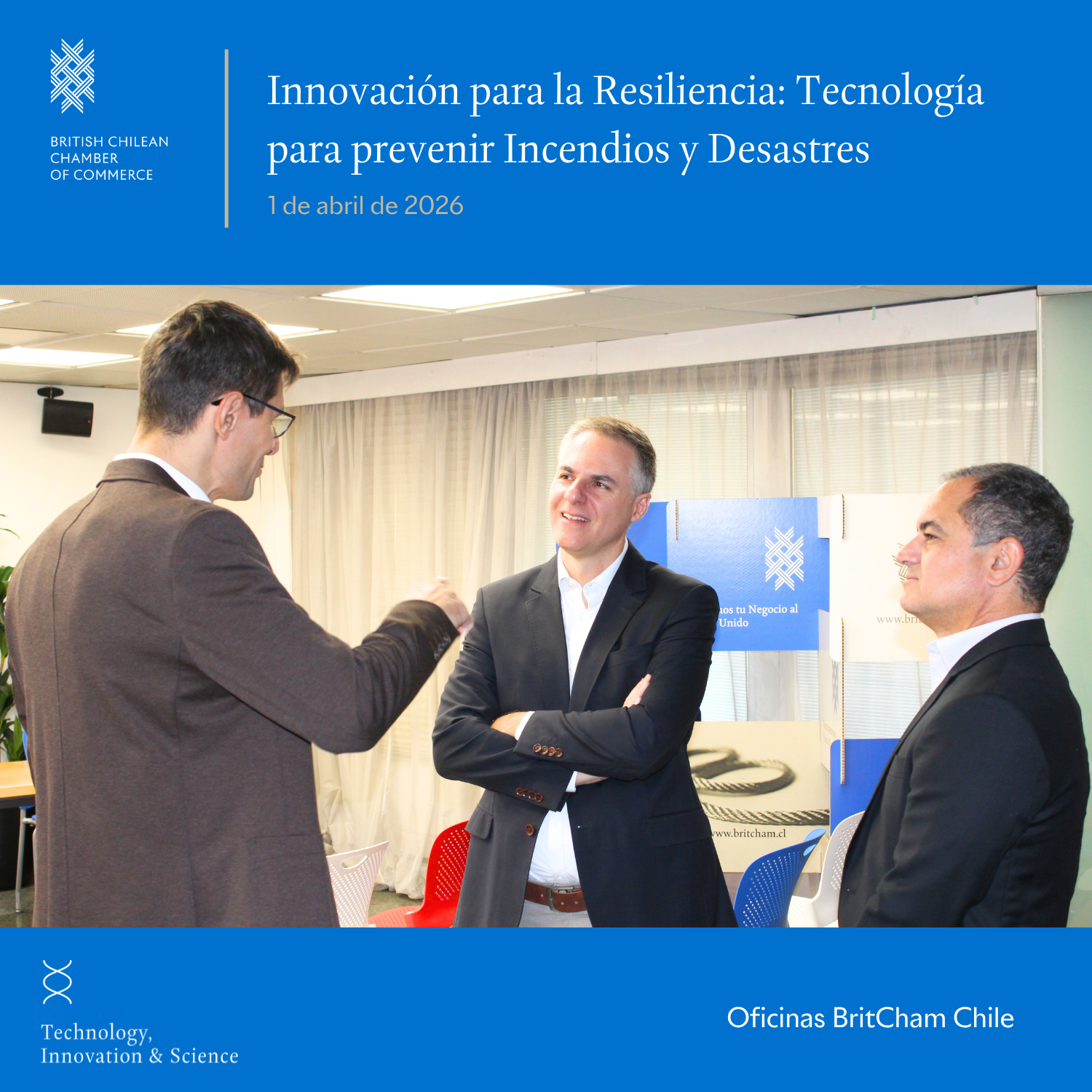
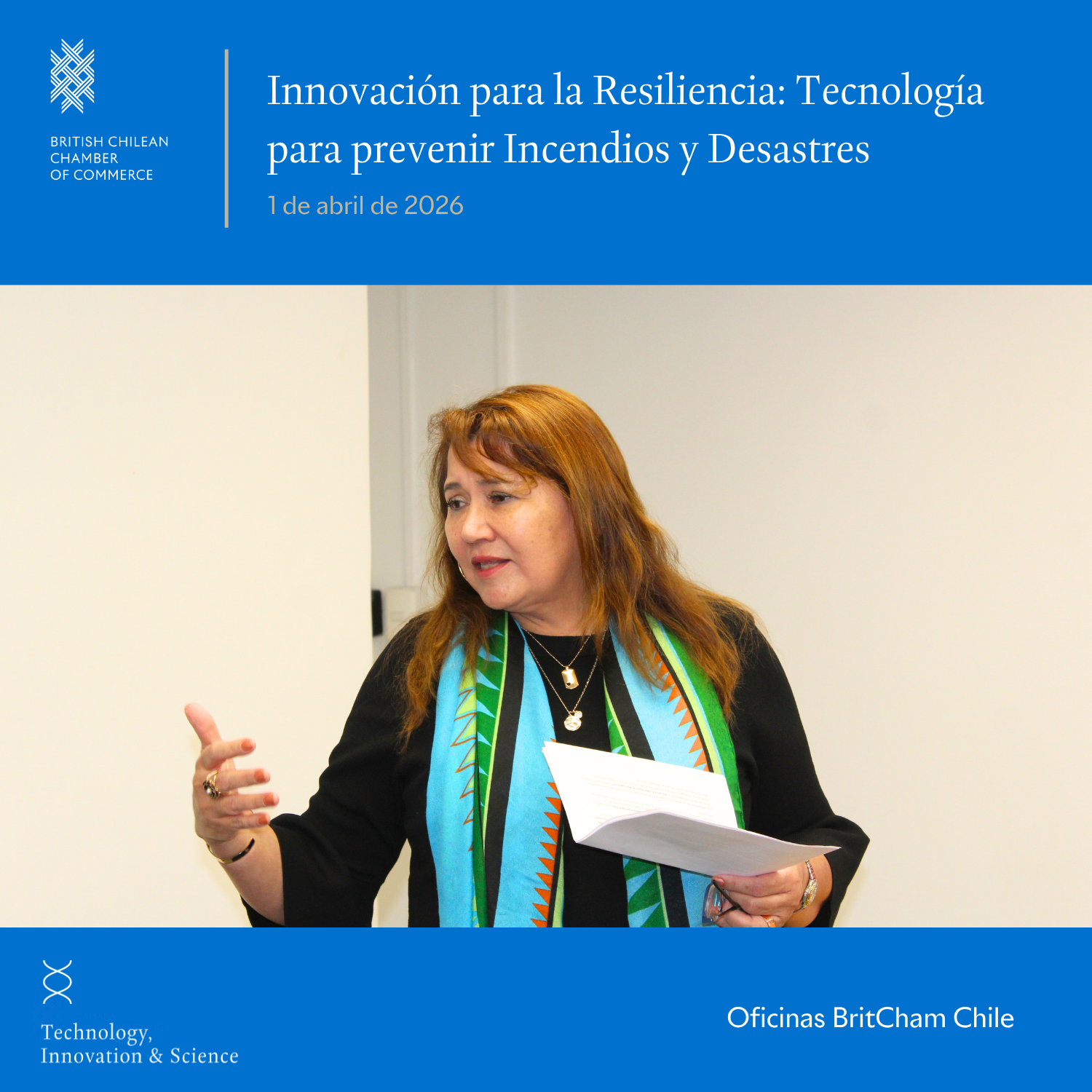
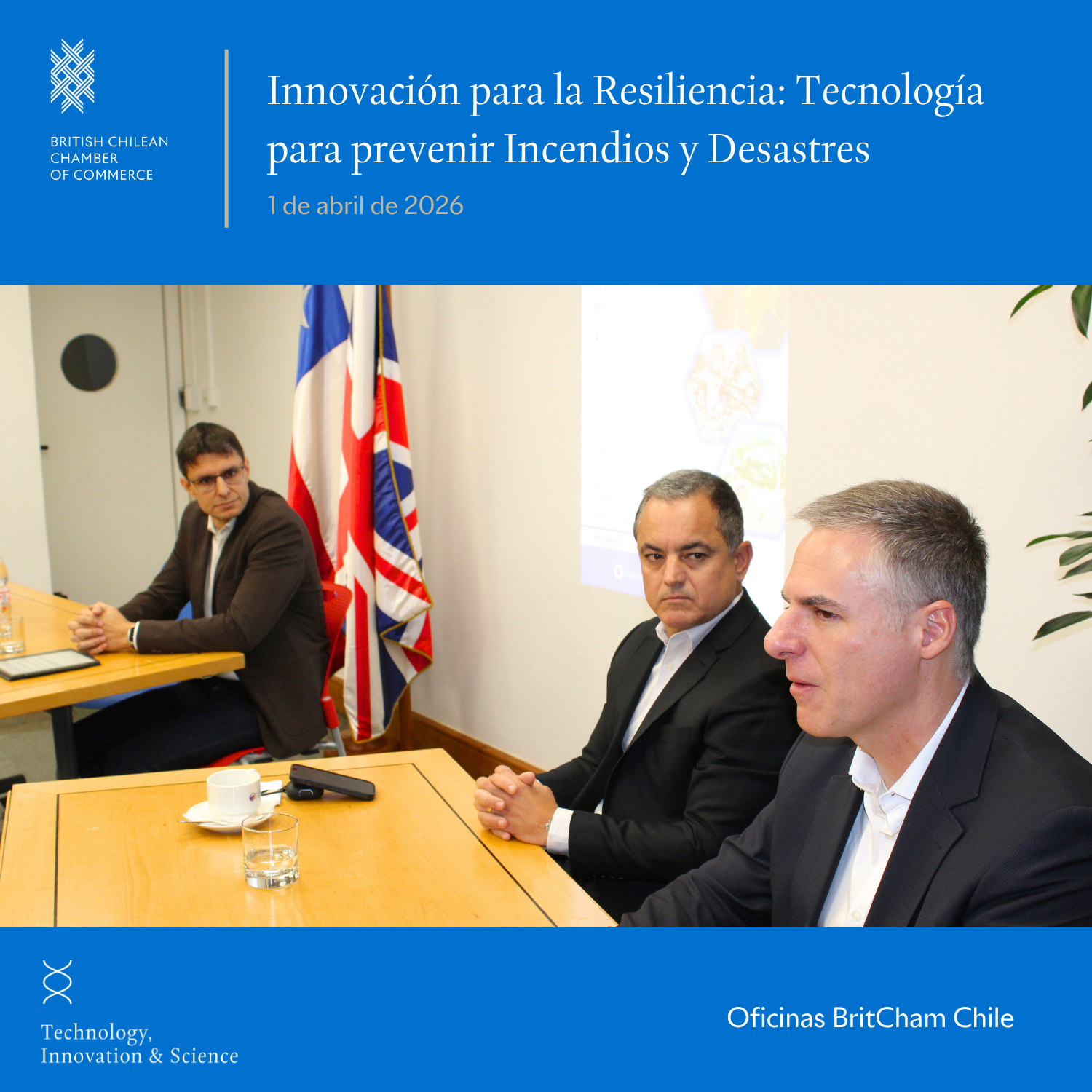
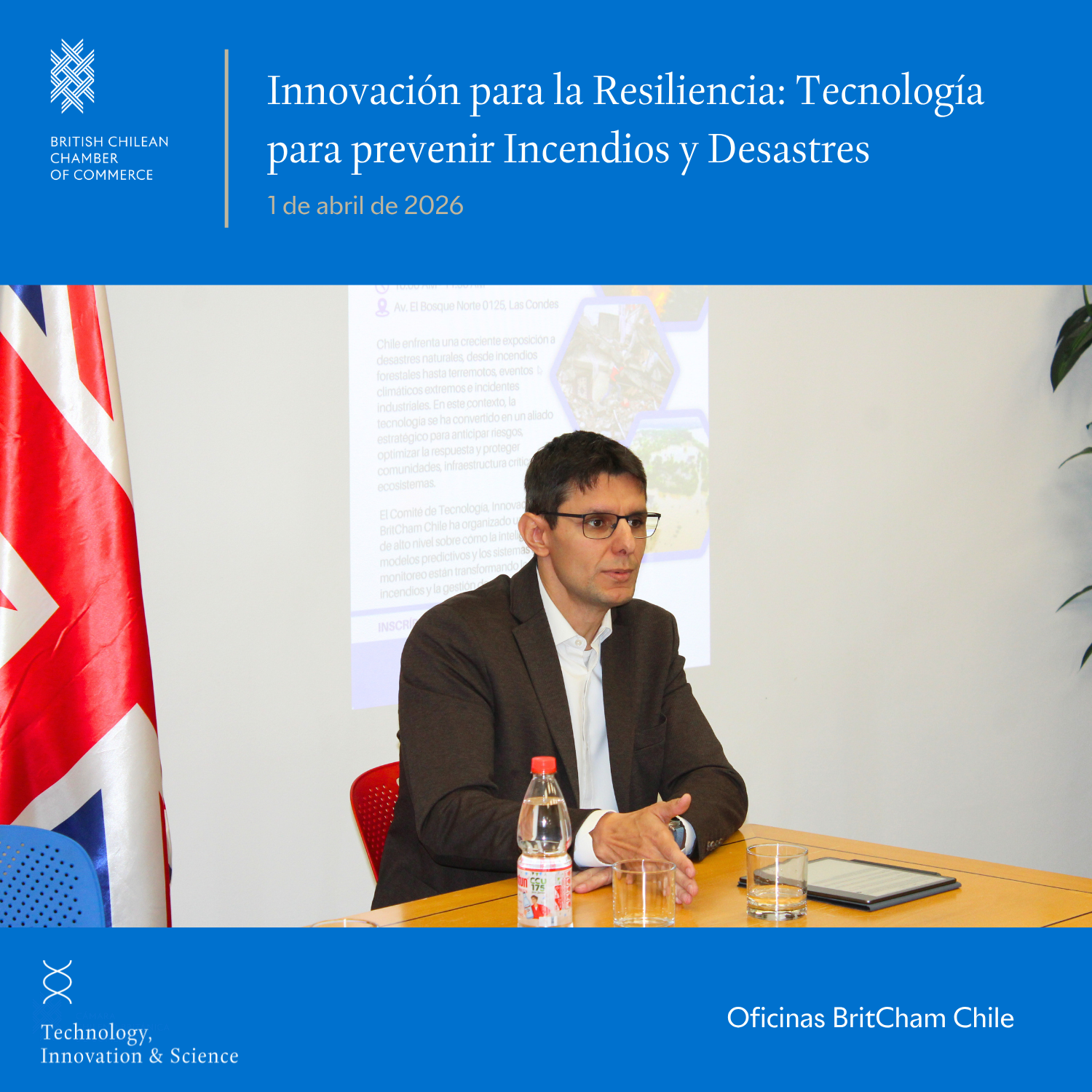
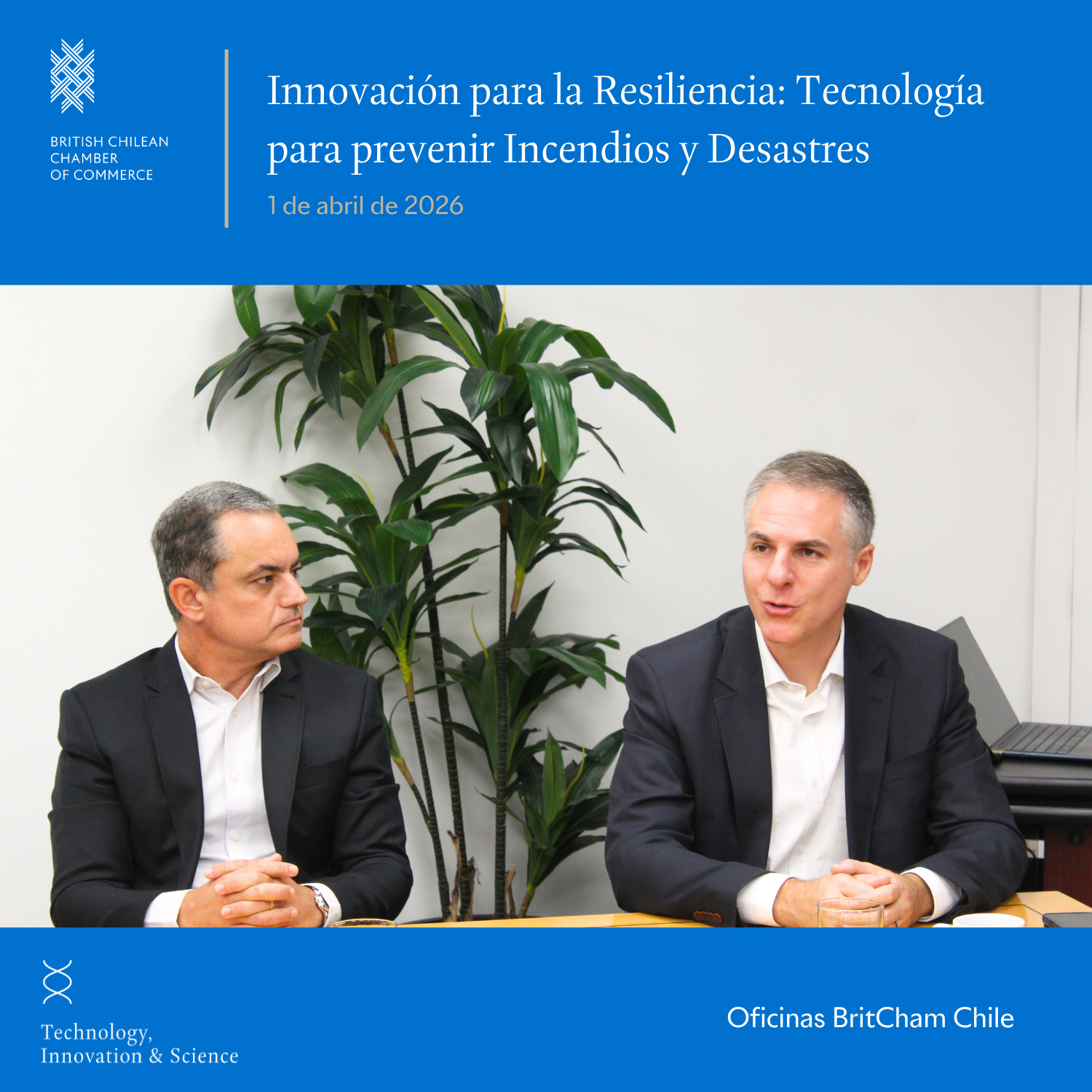
The panel included Gustavo Vieira, Global Chief Information Officer of CMPC; Gustavo Trevisan, Director of Sonda; and Rafael Mattje, General Manager of AWS. The session was moderated by Joanna Pérez, President of the Technology, Innovation, and Science Committee of BritCham Chile.
Additionally, the discussion incorporated international experiences, highlighting use cases in countries such as Australia, Japan, and Brazil, where the implementation of these technologies has significantly improved the management of fires and other disasters.
The meeting also broadened the perspective to include the application of these solutions in other areas, addressing their potential in the prevention of natural and industrial risks, such as earthquakes, critical infrastructure monitoring, and emergency management in sectors such as mining, energy, and infrastructure.
In this way, the activity reaffirms BritCham Chile’s commitment to promoting spaces for dialogue that connect scientific knowledge with the productive sector, driving the adoption of advanced technologies to strengthen resilience and reduce operational risks in the country.