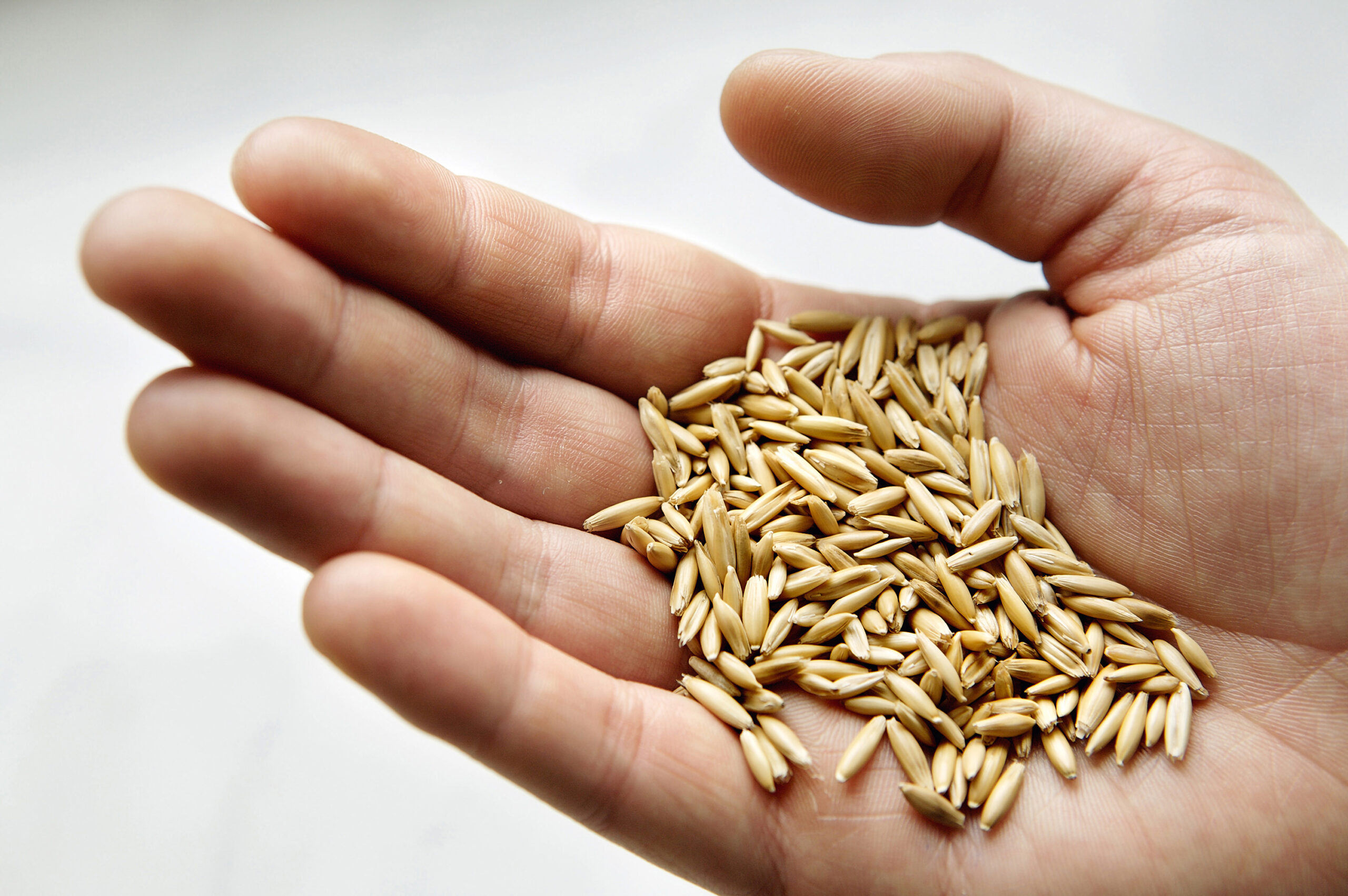
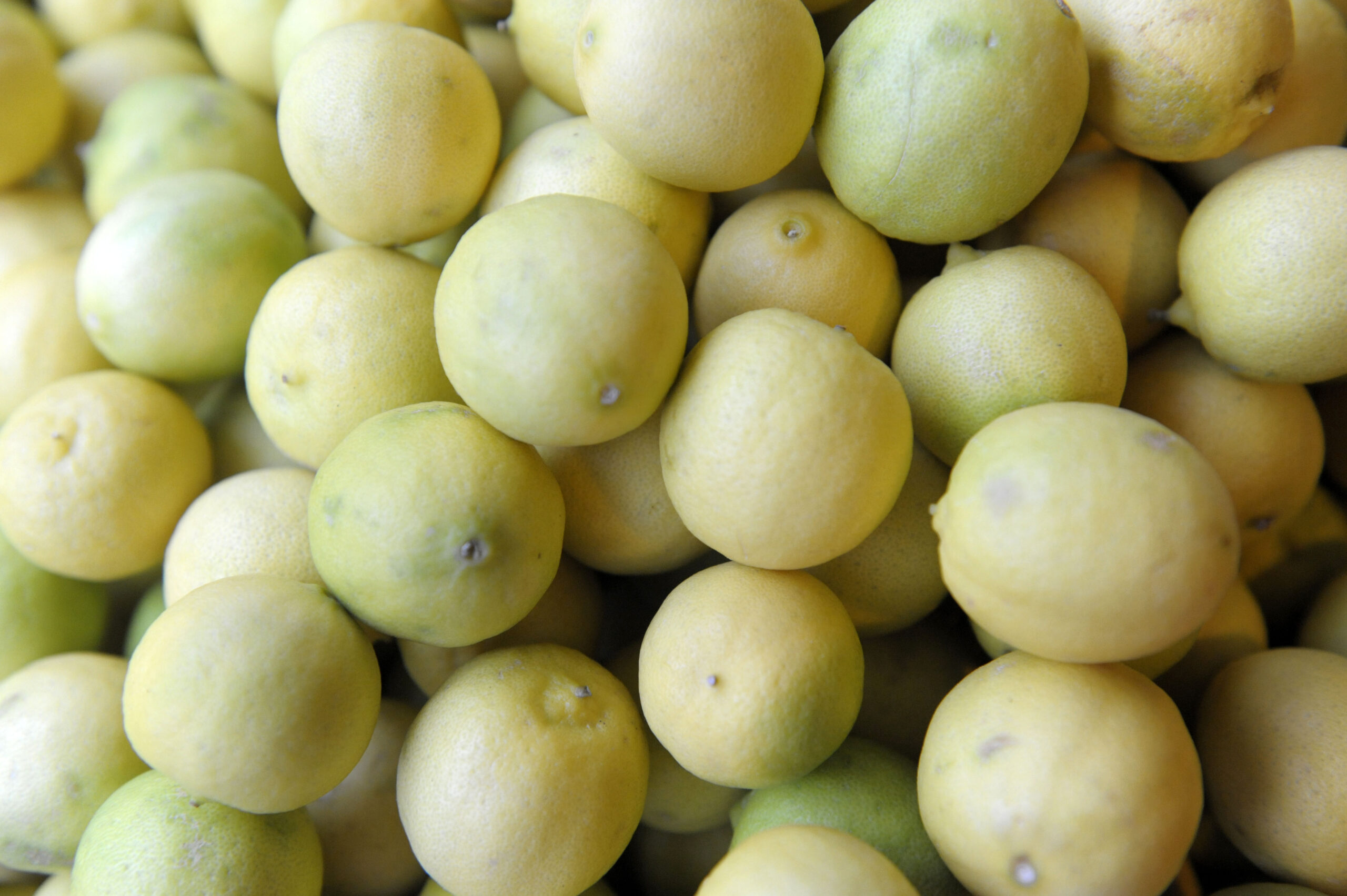
Thanks to its geographical composition, the country boasts one of the largest varieties of agricultural produce in the world. At the same time, these geographic characteristics (the Andes Mountain range to the east, the Pacific Ocean to the west, Patagonia to the south and the Atacama desert to the north) are the country’s ally as, together with strict controls, they have effectively protected the country’s agriculture from foreign diseases.
Within the last 50 years, the sector has evolved from traditional, extensive agriculture to intensive production with a heavy focus on fruit and vegetable produce. It is an extremely large industry and has an expected growth of 35% by 2030.
The fruit-growing sector accounts for the largest proportion of agribusiness, a massive 75% of its total value in 2018. The Agriculture sector comprises 3% of Chilean GDP, and 24% of exports, making it the country’s second largest source of exports after copper with over two-thirds of Chilean fruit production being exported. When combined with food & beverage processing, agriculture accounts for 8% of the economy.
Fruits comprise 38% of farm production, followed by livestock at 21%. Production agriculture, excluding other portions of the value chain, employed 774,000 in 2019, 9% of Chilean employment. Including agribusiness, the employment total is closer to 20%, and agribusiness accounts for 57% of Chile’s manufacturing output. While fruit remains dominant in 2025, diversification efforts are underway, with growing interest in high-protein crops, specialty grains, and value-added plant-based products.
Compared with other Latin American countries Chile lags behind in the development of key crop and livestock segments, such as cereals and beef cattle breeding but it is mainly due to the distribution of weather and soil conditions. Chile, therefore, continues to rely on imports to satisfy domestic demand for wheat, maize and beef. Since 2021, new investments in controlled-environment agriculture and feed production are expected to gradually reduce dependency over the next decade.
Over the past five years, Chile’s agricultural sector has continued to strengthen its export-oriented strategy, supported by new trade agreements and expanded access to Asian, Middle Eastern, and North American markets. In 2024, agribusiness exports surpassed USD 25 billion for the first time, driven by strong global demand for cherries, blueberries, table grapes, avocados, and high-value processed foods.
Technological adoption in agriculture has accelerated, with widespread use of precision irrigation, satellite crop monitoring, and data-driven farm management, enabling higher productivity and more sustainable water use — a critical factor in addressing the prolonged drought affecting central Chile.
The sector is also transitioning toward greater environmental and social sustainability. By 2025, more than 45% of Chile’s fruit export volume was certified under internationally recognized sustainability and fair-trade standards. The government has introduced incentives for regenerative farming practices and renewable energy use in agricultural operations.
Chile remains a premier destination for companies seeking high-quality agricultural produce or offering efficiency and technological solutions to capitalise on sustained global demand. The country’s export-oriented agrifood sector combines geographic diversity, modern production technologies and an extensive network of trade agreements, securing competitiveness and market access.
Fresh fruit, nuts and other horticultural exports continue to dominate: in 2024 the country closed a record year for fruit exports, with cherries, grapes, apples and blueberries among the top performers. Simultaneously, agricultural and food exports overall surged: early-2025 data from ProChile show the agribusiness sector leading non-mining exports, driven by robust demand from traditional and emerging markets.
Chile’s agtech ecosystem — or “Agriculture 4.0” — has gained momentum: digital agriculture, precision irrigation, supply-chain traceability and sustainability-oriented production are now standard practices across many farms and exporters. This evolution is underpinned by favourable conditions for foreign investment and innovation: the country’s territorial diversity offers ideal testing grounds for scalable agricultural technologies.
Importantly, institutional and policy support reinforce this competitive edge. In 2024–2025, the sector’s strategic relevance was acknowledged publicly by the Ministerio de Agricultura de Chile (Minagri), which highlighted advances in rural development, irrigation, export growth and support for small and medium producers — strengthening Chile’s position as a food-export powerhouse.
In summary, by 2025 Chile’s agribusiness is not only built on natural comparative advantage and broad trade links, but also on strong export performance, technological adoption, regulatory support and diversification — making it among the most attractive global platforms for agrifood investment, innovation and sustainable production.
The sector is highly fragmented, dominated by micro, small and medium-sized companies, and it is increasingly competitive. The principal entry modes are brownfield investments, acquisitions and strategic partnerships with local companies, given the relatively high costs of land and machinery. Since early 2018, foreign investor interest in Chilean agriculture has been increasing, encouraged by growth in economic activity and strong foreign demand for key export products.
Main companies by size and origin (country):
1. Antarchile S.A. (Revenue: 2024, USD 28.2 billion )-Origen: Chile
2. Empresas Copec S.A. (Revenue: 2024, USD 28.24 billion )-Origen: Chile
3. Empresas CMPC S.A. (Revenue: 2024, USD 7.60 billion )-Origen: Chile
4. Agrosuper S.A. (Revenue: 2024, USD 4.276 billion )-Origen: Chile
5. Empresas Aquachile S.A. (Revenue: 2024, USD 1.65 billion )-Origen: Chile
Regulation
● Strict general sanitary and phytosanitary regulations
● Main sources of regulations for primary agriculture and primary food processors in Chile:
○ the Sanitary Code
○ the Food Health Regulations;
○ Decree No. 118/2015 on hazard analysis and critical control points in food establishments;
○ Pesticides for Sanitary and Domestic Use Regulation;
○ Resolution 33, which sets maximum permitted levels of pesticide residues in food;
○ Law No. 20,606, on the Nutritional Composition of Food and on Food Advertising;
○ Law No. 18,755, on the organisation and authority of the Agriculture and Livestock Service
○ Decree-law No. 3,557 on Agriculture Protection.
○ Implementation of stricter traceability requirements for fresh produce and animal-origin exports, incorporating blockchain-based certification systems in some sectors.
○ Introduction of maximum residue limits (MRLs) harmonised with Codex Alimentarius updates and key trading partners, particularly the EU and China.
○ Expanded electronic certification systems (ePhyto) for faster and more secure phytosanitary documentation exchange with international markets.
○ Strengthened biosecurity protocols for livestock and aquaculture facilities, aimed at preventing outbreaks of transboundary diseases.
○ New Sustainability and Climate Adaptation Guidelines issued by the Ministry of Agriculture for primary producers, encouraging compliance with both environmental and market-driven sustainability standards.
● Exporters require official certification to trade products of animal origin, which corresponds to an official document, entitled Export Animal Health Certificate, in which the official veterinarian attests that the product being exported meets the requirements of the importing country.
● Authorisation must be obtained from SAG (Chilean Agricultural and Livestock Service):
○ livestock production facilities;
○ Breeding;
○ slaughtering; and
○ processing animals or animal products for export or import into Chile.
● All agricultural products imported into the country must meet all phytosanitary requirements set out by the law and governmental regulations for that specific product, which have to be verified by SAG (the government agency responsible for the development of agriculture, forests and livestock) to enter Chile.
● The Ministry of Agriculture maintains an online application to check the phytosanitary import and export requirements established by SAG, which was upgraded in 2024 to include real-time status tracking and multilingual access for international users. There is an online application created by the Ministry of Agriculture where you can check the phytosanitary import and export requirements established by SAG.
Since October 2020, the UK and Chile have been working on agreeing new Export Health Certificates (EHCs) for exports of animals and products of animal origin from the UK to Chile. This has been very successful with 16 EHCs approved to date. This creates a great potential opportunity for UK companies – opening up a total import market worth approximately £1.4BN (Facts and Figures for the Chile wins approved by CREST).
Between 2022 and 2025, collaboration has continued to deepen, with updates to several EHCs to align with evolving Chilean sanitary and phytosanitary requirements, as well as the introduction of new certificates covering high-demand products such as dairy derivatives, pet food, and aquaculture feed. The process has been further streamlined through the adoption of electronic certification systems, reducing approval times and improving traceability. This enhanced framework has contributed to a steady increase in UK-Chile trade flows for animal-origin products, with year-on-year growth in both volume and value reported since 2023:
1. EHC for ovine/caprine semen
2. EHC for Ovine/Caprine ova/in vivo derived embryos
3. EHC for frozen bovine semen
4. EHC for milk and dairy products
5. EHC for Pet Food and dog chews
6. EHC for Equidae (definitive import)
7. EHC for bovine embryos
8. EHC for registered horses
9. EHC for Ready-made meals
10. EHC for Pig Fat or Lard
11. EHC for Bovine Meat
12. EHC for Blood Products
13. EHC for Collagen for Human Consumption
14. EHC for Chilled and Frozen Pork
15. EHC for lab rodents
16. EHC for equine semen
Following agreement of these EHC during 2021, DEFRA submitted during 2022 the following certificates for exports from the UK to Chile for SAG approval:
17. EHC for Casings from Sus Scrofa Domestica (Pig)
18. EHC for Processed Meat Products (Pork/Beef)
19. EHC for Gelatine for Human Consumption to Chile
20. EHC for Viscera meals, meat and bone meal and pure or mixed poultry, pig and equine oils or fats.
Developments 2022–2025:
Several EHCs have been updated to align with Chile’s evolving sanitary and phytosanitary regulations, particularly concerning residue monitoring, animal welfare, and traceability requirements.
Strong export growth has been recorded in dairy products, bovine meat, and pet food, with UK shipments to Chile achieving double-digit increases since 2023.
The eCert electronic certification system, launched in 2024, has reduced processing times, strengthened document security, and improved traceability for all consignments.
Market access for ready-made meals and pet food has expanded quickly, driven by increased Chilean demand for premium imported goods.
Enhanced cooperation between UK exporters and Chile’s Agricultural and Livestock Service (SAG) has streamlined inspections and improved clearance rates at ports of entry.
Since the approval of the export health certificate for ovine embryos, the UK has remained the only European country authorised to export this type of ovine genetic material to Chile. Between 2022 and 2025, cooperation between DIT/British Embassy Santiago, breeders in southern Chilean Patagonia, Chilean authorities, and UKTAG has expanded to include pilot projects in genomic selection and artificial insemination, leading to the first commercial consignments of ovine embryos in 2024. The UK has also made progress in bovine genetics, with initial exports of frozen bovine semen commencing in late 2023, and discussions underway to expand equine genetic exports.
Since the 2021 approval of the EHC for milk and dairy products, six UK establishments were registered on SAG’s official list by 2022. By 2025, exports now include a wider range of high-value dairy goods, such as specialty British cheeses and organic yoghurt, with volumes growing steadily and market distribution extending beyond Santiago into southern Chile.
Following the 2022 approval of the EHC for pork, 27 UK establishments were authorised by SAG to export to Chile. Since then, UK pork has gained a foothold in the Chilean premium retail and food service sectors, with chilled pork products joining frozen pork in the market by 2024, supported by promotional campaigns highlighting quality and animal welfare standards.
Since 2022, the UK has successfully reduced the approval time for pet food manufacturing facilities to two months and for veterinary/pharmacological products to five months when already registered with the EMA or FDA. By 2025, over a dozen UK manufacturers are exporting pet food to Chile, with strong growth in premium and specialised formulations (e.g., hypoallergenic and functional diets).
Since its creation in 2020, the UK–Chile Agribusiness Working Group has evolved into a regular bilateral forum meeting twice a year. Between 2022 and 2025, it has delivered concrete outcomes including the digitisation of phytosanitary certificates, the expansion of approved EHC categories, the launch of joint sustainability guidelines for agribusiness exporters, and promotional events in both countries to boost trade in novel foods, UK apples, and processed agricultural products.
Castiella Bañales Símon, El sector agropecuario en Chile 2021, ICEX España Exportación e Inversiones, 2021
US Department of Commerce (International Trade Administration), 2021
USDA Production, Supply and Distribution
Invest Chile, Food Industry in Chile Project & Opportunities in Chile, March 2021
Paola Segovia Tamayo, Impacto del COVID-19 en la economía y agricultura, March 2020.
COAGRA, El agro en tiempos de Coronavirus, 2020.
GOV.UK, United Kingdom – Chile Trade Dialogue Ministerial Joint Statement, October 2021.
ODEPA, Panorama de la Agricultura Chilena 2019.
Ministry of Agriculture of Chile (MINAGRI) – Programs, regulations, and updates on agricultural policies and sustainability. (2025)
Chilean Agricultural and Livestock Service (SAG) – Official lists of authorised establishments, export health certificates, and phytosanitary and zoosanitary regulations. (2025)
Ministry of the Environment of Chile (MMA) – Strategies for climate change adaptation in agriculture. (2025)
DEFRA – Department for Environment, Food & Rural Affairs (United Kingdom) – Information on Export Health Certificates (EHCs) and export requirements. (2025)
APHA – Animal and Plant Health Agency (United Kingdom) – Registration of establishments exporting products of animal origin. (2025)
UKTAG – UK Technology for Agriculture and Genetics – Projects and cooperation in ovine and bovine genetics. (2024)
Codex Alimentarius – International food safety standards and maximum residue limits (MRLs). (2024)
OECD – Organisation for Economic Co-operation and Development – Statistics and analysis of agricultural trade. (2024)
EMA – European Medicines Agency – Registration of veterinary and pharmaceutical products. (2025)
FDA – Food and Drug Administration (United States) – Registration and approval of veterinary and animal food products. (2025)
Reuters – Financial data and annual results of Chilean companies. (2025)
PitchBook – Revenue data and corporate profiles of major companies. (2025)
StockAnalysis.com – Updated revenue and performance data for companies such as Copec and AquaChile. (2025)
CompaniesMarketCap.com – Revenue figures and comparisons of Chilean companies. (2025)
MarketScreener – Financial reports for Empresas Copec and other leading firms. (2025)
Financial Times – Markets Data – Stock market and corporate results information. (2025)
InvestChile – Data and projections for agribusiness and agtech exports. (2024)
British Embassy Santiago / DIT – Department for International Trade (UK) – Updates on bilateral agreements, EHCs, and market access. (2025)
CREST – Market value data for EHCs approved between Chile and the United Kingdom. (2025)